
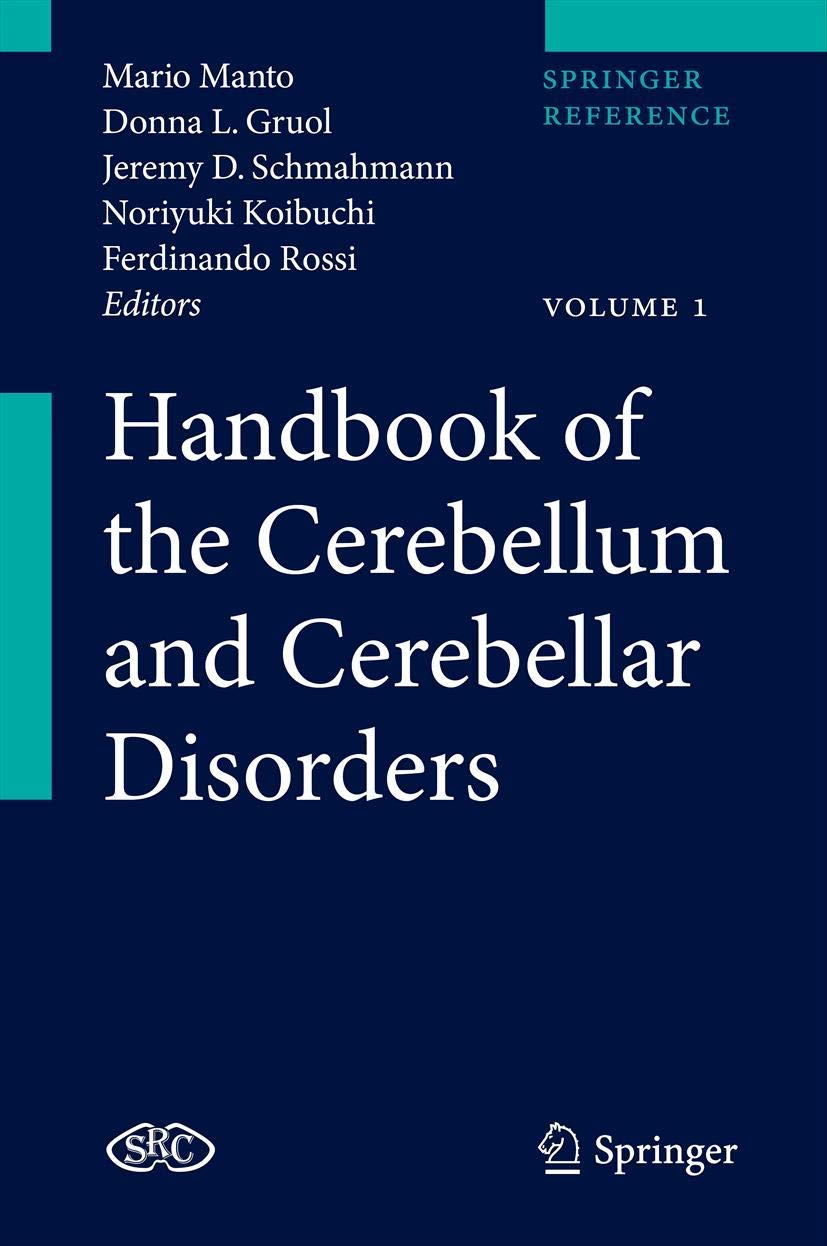
Our understanding of cerebellar functions and related disorders, known as ataxias, is rapidly expanding. Research on the cerebellum has become a central theme in contemporary neuroscience. Over the past four decades, numerous laboratories worldwide have focused their efforts on exploring the cerebellum’s pivotal roles in motor control, cognitive processes, and the biology of mental functions, as well as its influence on behavioral symptoms and emotions.
We now appreciate the cerebellum as a vital cognitive operator crucial for learning, perception, and attention. Significant advancements in our ability to assess the in vivo architecture of the cerebellum using imaging techniques have emerged, including the precise mapping of cerebellar anatomy during fetal development through MRI. This progress has profound implications for patient care.
Recent discoveries in this field have unveiled new clinical disorders, particularly in the realm of genetic ataxias, with over 20 new genes identified in the past decade. For dominant ataxias alone, more than 30 diseases have been elucidated. As the population ages, the incidence of ataxic disorders is expected to rise, given that the cerebellum is the brain structure most affected by neuronal loss with age. Currently, over 300 different cerebellar disorders are encountered in clinical practice, highlighting the critical need for a comprehensive source detailing their pathogenesis.
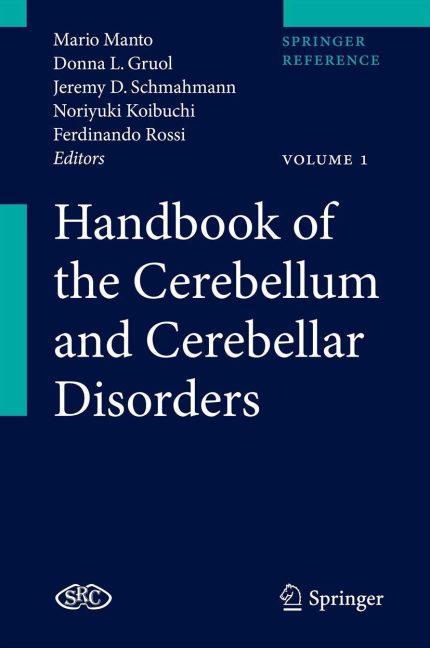
Despite the vast knowledge gained regarding cerebellar circuitry, a substantial book covering the neuroscience of the cerebellum has been lacking. This unique handbook aims to provide
Authors:
Mario Manto (Editor)
Edition:
2013th
Publication Date:
August 4, 2012
From the book:


Reviews
There are no reviews yet.