
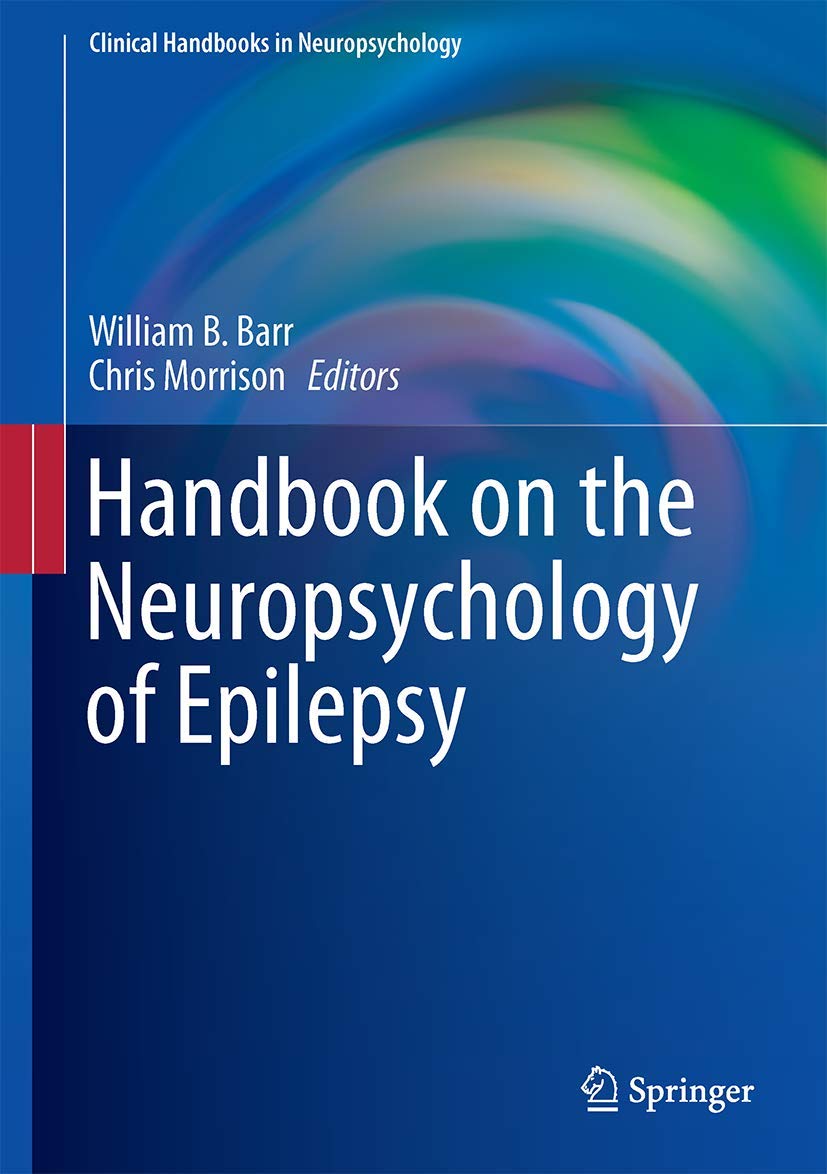
Once feared and misunderstood, even within the medical community, epilepsy has now been largely demystified. Beyond the characteristic seizures, various cognitive, behavioral, and emotional challenges are increasingly recognized as associated with this neurological condition. Patients are finding relief through effective medical management and/or surgical intervention. Consequently, neuropsychology has emerged as a crucial component in treatment planning, program development, and the assessment of surgical candidates.
Geared toward both beginning and veteran clinicians, the Handbook on the Neuropsychology of Epilepsy provides readers with a comprehensive, skills-based framework for assessment and treatment, utilizing current evidence and standardized terminology. This essential resource offers expert coverage of widely-used methods for evaluating key aspects of patient functioning, including MRI, MEG, electrocortical mapping, and the Wada test. Additionally, it presents detailed guidelines for psychotherapeutic and cognitive remediation strategies in treating comorbid psychiatric conditions.
Given the diversity of the patient population, additional chapters spotlight issues specific to various subgroups, including high- and low-functioning individuals, as well as geriatric and pediatric patients. This integrative, hands-on approach is beneficial for a range of practitioners across medical and neurological settings. Topics featured in the handbook include:
- Neuropsychological assessment across the lifespan
- Evaluating the epilepsy surgical candidate: methods and procedures
- The Wada test: current perspectives and applications
- Assessing psychiatric and personality disorders in the epilepsy patient
- Evaluation and management of psychogenic non-epileptic attacks
Authors:
William B. Barr (Editor),
(Editor)
Edition:
2015th
Publication Date:
December 3, 2014
From the book:


Reviews
There are no reviews yet.