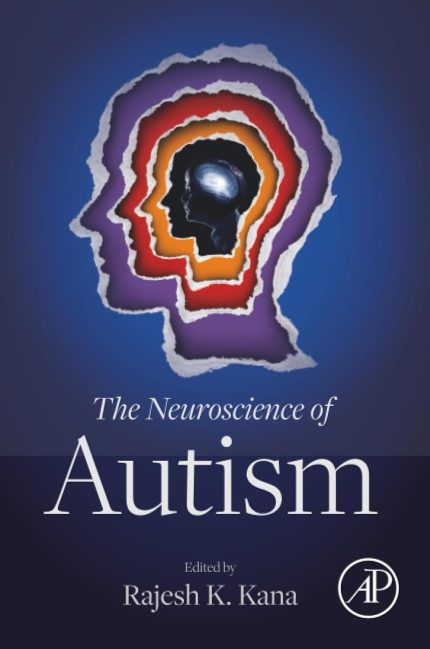
The Neuroscience of Autism offers a comprehensive exploration of autism spectrum disorders by seamlessly integrating scientific findings from behavioral, cognitive, and neurobiological research. This essential book begins by defining autism, identifying key characteristics and prevalence rates, and delving into its historical context. It progresses to examine the cognitive and social foundations of behavioral symptoms, the neurological underpinnings of cognitive and behavioral manifestations, and concludes with a thorough analysis of effective intervention practices.
This insightful volume also investigates theoretical models such as weak central coherence, enhanced perceptual functioning, and the extreme male brain hypothesis, making it a valuable resource for researchers and practitioners alike.
Furthermore, the book highlights the growing emphasis on the brain connectivity model of autism, focusing on the synchronization of brain activity across various regions, the causal interactions between brain areas, and the significance of white matter connections in understanding autism.
- Delves into the increasing prevalence of autism in the United States, providing critical insights for researchers and caregivers.
- Focuses on screening tools for early identification, equipping parents and educators with essential knowledge.
- Discusses neuroanatomical differences observed in individuals with autism, shedding light on their unique neurological profiles.
- Examines inferences gained from functional MRI studies, offering a deeper understanding of the autism spectrum.
This book is a must-read for students, educators, healthcare professionals, and anyone interested in the intricate workings of autism. With its blend of scientific rigor and accessibility, The Neuroscience of Autism stands out as a pivotal resource that bridges the gap between research and practical
Authors:
Kana (Editor)
Edition:
1st
Publication Date:
1 Jun. 2022